How Much Caffeine Is Too Much? A Guide for Australians
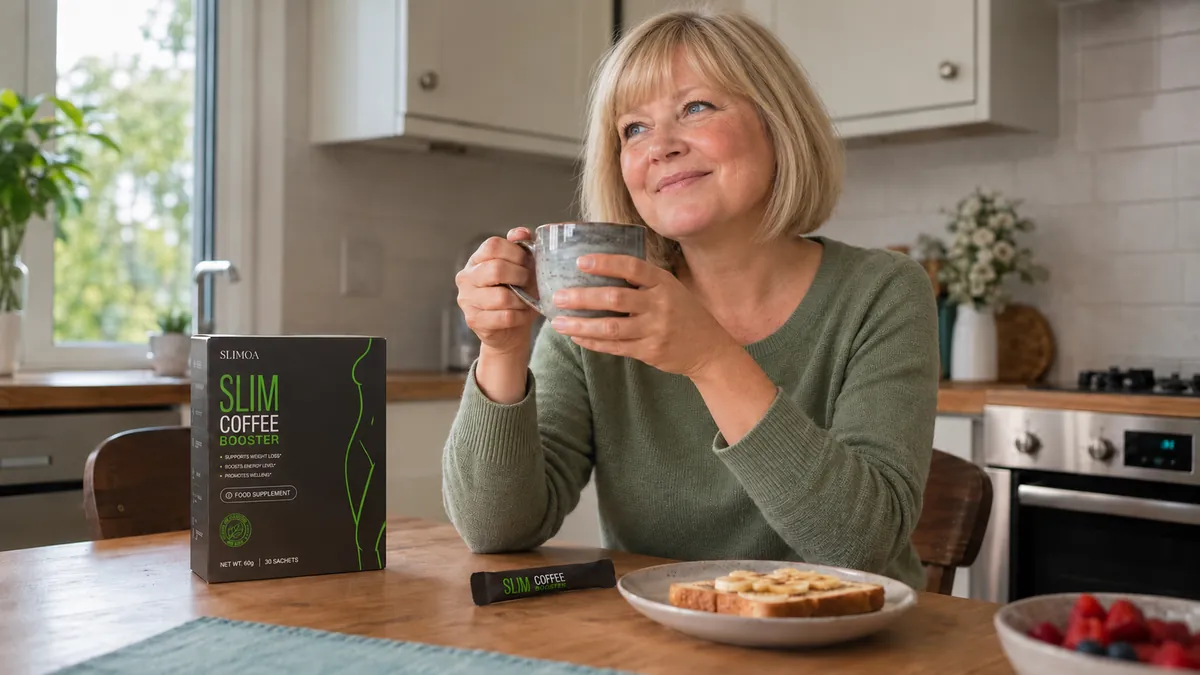
Coffee is a daily ritual for millions of Australians. Here's how much caffeine Food Standards Australia New Zealand (FSANZ) considers reasonable — and how to keep track of yours.
What Australian guidance says
Australia doesn't set a single legal daily caffeine limit, but Food Standards Australia New Zealand (FSANZ) notes that, for most healthy adults, around 400 mg of caffeine a day is generally considered safe. Lower amounts are recommended for some groups:
- Healthy adults: around 400 mg per day.
- Pregnant or breastfeeding women: no more than about 200 mg per day.
- Children and teenagers: much lower amounts based on body weight (about 3 mg per kg of body weight per day).
Check the latest information on the FSANZ website, and talk to your GP if you have a heart condition, high blood pressure, anxiety or take medication.
How much caffeine is in your coffee?
Café coffee in Australia varies enormously. Depending on the beans, the number of shots and the cup size, a single flat white, latte or long black can contain anywhere from around 60 mg to well over 200 mg of caffeine. A double-shot large coffee can easily take you halfway to the daily guideline on its own.
Other sources add up
Tea, cola, energy drinks, chocolate, some pain relievers and some supplements all contribute to your total. If you use a coffee booster or other supplement, check whether it contains added caffeine.
Signs you may be overdoing it
- Jitters, restlessness or a racing heart
- Trouble falling asleep
- Headaches or an upset stomach
- Feeling anxious or irritable
Tips for a smarter coffee routine
- Have your coffee with food rather than on an empty stomach.
- Set a caffeine cut-off time, such as early afternoon, to protect your sleep.
- Choose smaller cup sizes or switch your second cup to half-caf.
- Keep sugary syrups and toppings as an occasional treat.
Curious how readers are upgrading their morning cup? See our Slimqa Slim Coffee Booster review and our guide to curbing afternoon sugar cravings.
This article is for general information only and is not medical advice. Read our medical disclaimer.